Home › Commercial Patio and Outdoor Screening
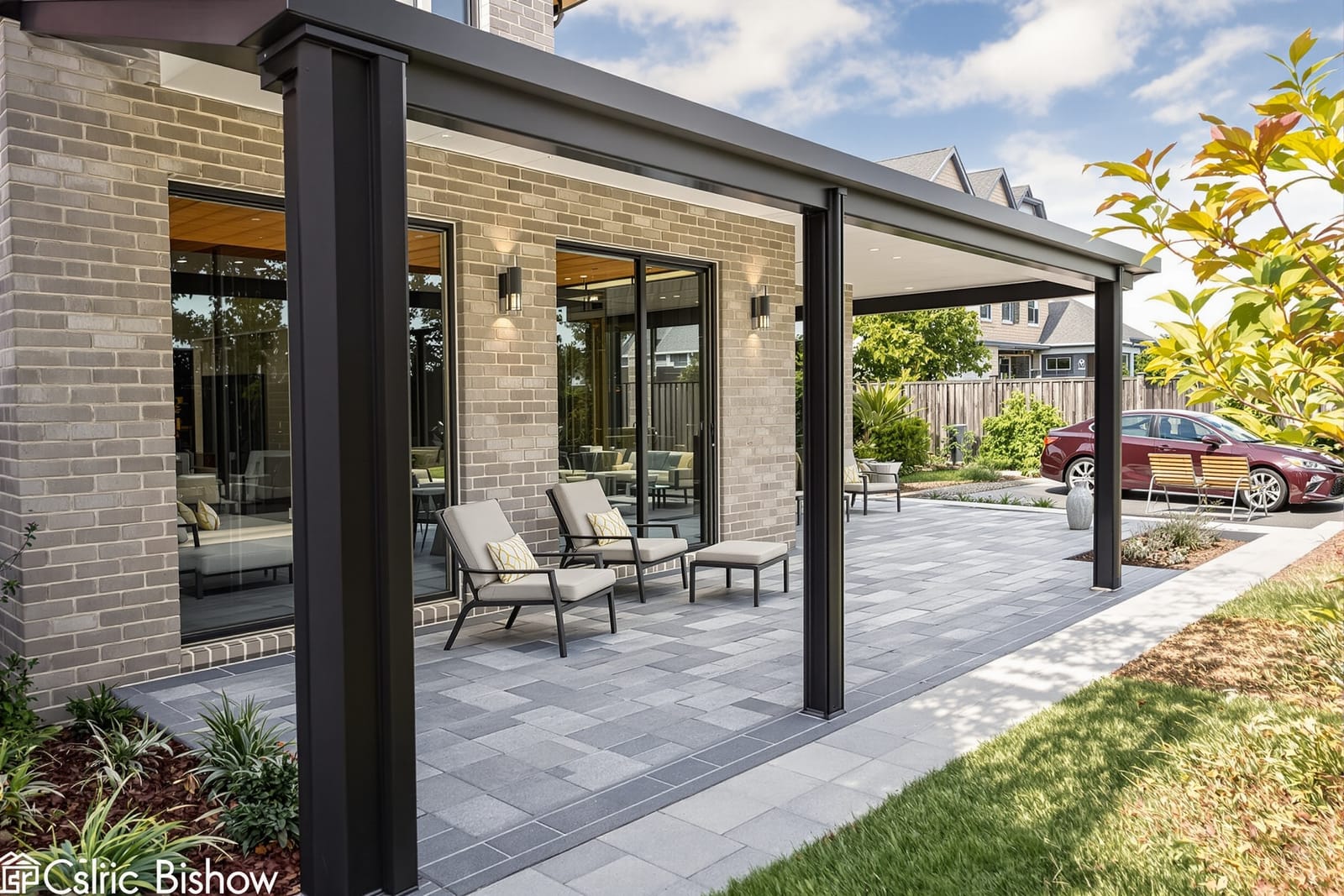
Upgrade your outdoor areas with commercial patio and outdoor screening in Lakeland, FL. We enclose restaurant seating, break areas, courtyards, and walkways with durable screen systems. These enclosures improve guest comfort, expand usable space, and help manage insects and debris.
Lakeland Screening provides professional commercial patio screening throughout Lakeland, FL, Florida and the surrounding area. Our licensed, insured crew delivers safe, clean, on-time work with a free estimate before anything begins. Call 863-591-8082 or request your free quote.
Commercial patio screening tailored to Lakeland businesses
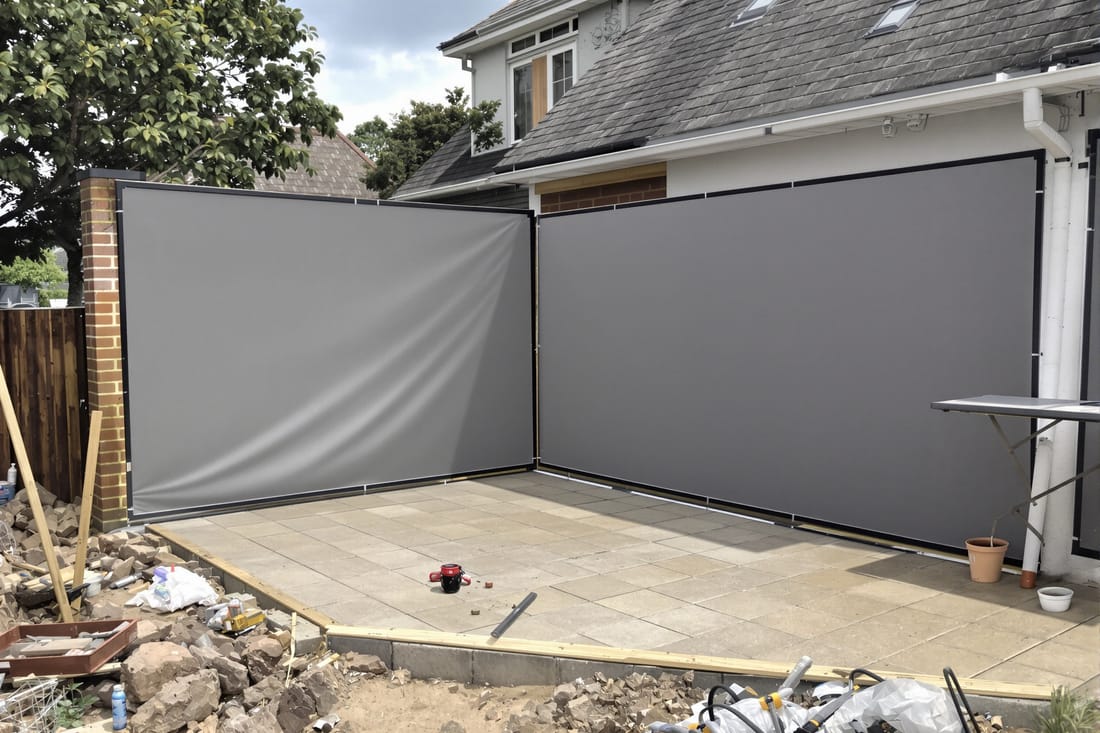
Lakeland Screening helps Lakeland, Florida businesses turn open patios and outdoor areas into comfortable, usable spaces with commercial patio screening designed for our local climate. Whether you run a restaurant on South Florida Avenue, a lakeside venue, or a multi-building office complex, we design screening that works with your existing structure and stands up to Central Florida heat, storms, and insects.
Commercial patio screening is not a one-size job. We start by walking the property with you, noting wind direction, sun exposure at different times of day, drainage patterns, and how your staff and customers actually move through the space. From there we recommend framing, screening materials, and door placements that fit your business operations. Our goal is to create a space that is more comfortable for guests, easier for staff to use, and simpler for you to maintain over the long term.
How our commercial patio screening process works
Our process is structured so business owners know what will happen before, during, and after the job.
1. Site assessment and layout discussion: A Lakeland Screening project lead visits your location, measures your patio or outdoor area, checks slab conditions and roof ties, identifies existing utilities, and talks through how you intend to use the space. We also ask about any landlord or HOA rules if you are in a managed plaza or business park.
2. Structural review: For larger enclosures or when tying into an existing building, we review wind loads, connection points, and any needed structural reinforcement. In Polk County, commercial work often falls under stricter wind requirements than residential, so we size posts, beams, and fasteners accordingly.
3. Design proposal and materials selection: We prepare a layout with elevations, door locations, screen types, and any specialty panels like privacy or solar control. You see how the enclosure will look and how traffic will move through it before we order materials.
4. Permitting and approvals: For most permanent commercial patio screening, a Polk County or City of Lakeland building permit is required. We can prepare permit drawings, product approvals, and necessary documentation. Where landlord or plaza approvals are needed, we supply drawings and specs formatted for their review boards.
5. Installation and inspection: Our crews coordinate work around your business hours as much as possible, often scheduling louder work before opening or during slower windows. After installation, we walk the project with you and handle any required building inspections.
This step-by-step approach keeps surprises to a minimum and ensures the new screened space is both code-compliant and practical for day-to-day business use.
Materials and design options for commercial patio screening
Lakeland Screening offers several framing and screen options so your patio enclosure fits your look and your budget.
Framing systems: Most commercial projects use extruded aluminum frames due to strength, low maintenance, and performance in humid Florida conditions. We typically use 3 inch or larger beams for longer spans, with heavier-gauge posts on high-traffic corners or where wind exposure is greater. Color options usually include white, bronze, and sometimes custom colors to match existing storefront framing.
Screen types: Standard fiberglass mesh works for basic insect control on low-impact patios. For restaurants with children or areas close to parking lots, we recommend heavier polyester or vinyl-coated screens with higher tear resistance. In windier spots near open lakes or large parking lots, we can incorporate Florida-approved wind-rated screen systems or smaller panel sections to reduce stress on the frame.
Visibility and privacy: Some businesses want maximum outward visibility, like lakefront dining or golf course patios. Others need privacy from neighboring tenants or streets. We can mix screen types in one structure, using standard mesh on lake or courtyard sides, and tighter weave or privacy screens facing roads, dumpsters, or back-of-house areas.
Doors and hardware: Commercial patio screening usually requires wider doors for staff carrying trays, supply carts, or outdoor equipment. We install commercial-grade screen doors with closer arms, stainless or aluminum hardware, and optional panic bars if required for egress. Door placement is coordinated with your existing entry doors and emergency exit paths so you stay compliant and functional.
What affects the cost of commercial patio screening in Lakeland
Commercial patio screening pricing depends on several concrete factors that we explain in writing before work begins.
Size and height: Larger patios with higher roof tie-ins require more materials and stronger framing. A restaurant patio with 12-foot ceilings will cost more per linear foot than a low office break-area enclosure due to beam sizing and labor.
Existing conditions: A level, crack-free concrete slab usually keeps costs down. If we find significant slab slope, trip hazards, or deteriorated edges, we may recommend concrete repair or threshold adjustments so doors operate correctly and water drains away from the building.
Attachment method: Tying into an existing roof or soffit is often more economical than building an independent free-standing structure, but it depends on the building design. Older block buildings in Lakeland with uneven fascia may require additional ledger work or custom brackets.
Screen and hardware upgrades: Heavy-duty screens, corrosion-resistant fasteners, oversized or double doors, and custom color frames all add cost but may reduce long-term maintenance. For high-traffic restaurants or bars, we usually recommend investing in stronger screen and door components up front to avoid frequent repairs.
Permitting and engineering: Projects that need sealed engineering, complex tie-ins, or wildfire and wind exposure documentation will include those professional fees. We are transparent about which items are required by local code and which are optional upgrades so you can make informed decisions.
Local code, permitting, and HOA considerations in Lakeland
Commercial patio screening in Lakeland is governed by the Florida Building Code and enforced by either Polk County or the City of Lakeland, depending on your address. Lakeland Screening stays current on local requirements so your project does not run into issues at inspection.
Permits: Most permanent commercial screen enclosures require a building permit. This is especially true when the structure is attached to the primary building or covers a large area. We can handle permit applications, including drawings showing foundation, connections, screen layout, and door swings.
Wind and structural requirements: Polk County uses wind-design criteria that affect post spacing, anchor types, and beam sizing. We design to meet or exceed those requirements, which protects both your guests and your property during summer storms or tropical systems.
Egress and accessibility: On commercial sites, screened patios must still comply with emergency egress and ADA accessibility. That means proper door widths, threshold heights, and clear pathways. We coordinate with your existing exits so inspections pass and your staff can move safely during busy hours.
HOA and landlord rules: Many Lakeland businesses operate in plazas, lifestyle centers, or office parks with architectural rules. We work with their guidelines on color, height limits, and sightlines. If your landlord needs drawings or product samples before approval, we prepare those as part of our preconstruction phase.
Common commercial patio screening problems and how we prevent them
Because we focus on Central Florida projects, Lakeland Screening has seen a consistent set of issues that show up when screening is not planned with commercial use in mind.
Door sag and constant repairs: High-use restaurant doors fail quickly if light-duty frames or hinges are used. We prevent this using commercial-grade door frames, continuous hinges where appropriate, and heavier aluminum jambs in main traffic areas. We also set doors to swing in directions that work with server routes and prevailing winds.
Water intrusion and slippery floors: If gutters, roof drip lines, and patio grades are not coordinated, screened patios can end up with standing water at the entrance. We examine how water currently sheds from your roof, then design flashing, splash guards, or minor slab transitions to move water away from doorways. This reduces slip hazards and keeps inspectors satisfied.
Screen blowouts in storms: Large, uninterrupted screen panels catch wind like sails. For exposed sites, we break the elevation into smaller panels, add mid-rails, or specify heavier screen material. This keeps tension more constant across the structure and reduces the chance of sections pulling out during seasonal storms.
Visibility issues: Glare and poor night visibility can be a real problem where parking lot or street lighting reflects off screen material. We discuss your lighting setup and may recommend darker screens in certain directions to improve outward visibility for staff watching parking lots or waterfronts.
Why Lakeland businesses choose Lakeland Screening
Local businesses choose Lakeland Screening because we treat commercial patio screening as part of your daily operation, not just a construction project. Our crews are used to working around customers and staff, keeping entry points clear, and maintaining a clean, safe job site so you can keep operating.
We understand that for many restaurants, bars, and event spaces in Lakeland, a screened patio is a key revenue area. We schedule work phases to minimize time when the patio is unusable, and for many projects we can stage construction so at least part of the space remains open.
Because we are based in Lakeland, we know how pollen, lake insects, and afternoon thunderstorms affect local outdoor spaces. We choose fasteners, sealants, and screen fabrics that hold up in this specific environment, not just generically rated products. After installation, we walk you through simple maintenance steps, show you how to adjust door closers, and explain which parts are meant to be serviced over time and which are structural.
Our goal is long-term reliability. By building a screened patio that reflects your layout, local conditions, and code requirements, we help you create a comfortable, profitable outdoor area that your staff can manage without constant calls for repairs.